Live Local Act Consulting in Palm Beach Gardens and Nearby Towns
We guide owners of apartment properties across north Palm Beach County through the Live Local Act property tax exemption, from the first eligibility question to each yearly renewal. Every form, deadline and rent limit gets explained in plain terms before we file it. Most meetings happen at our office or by phone and video.
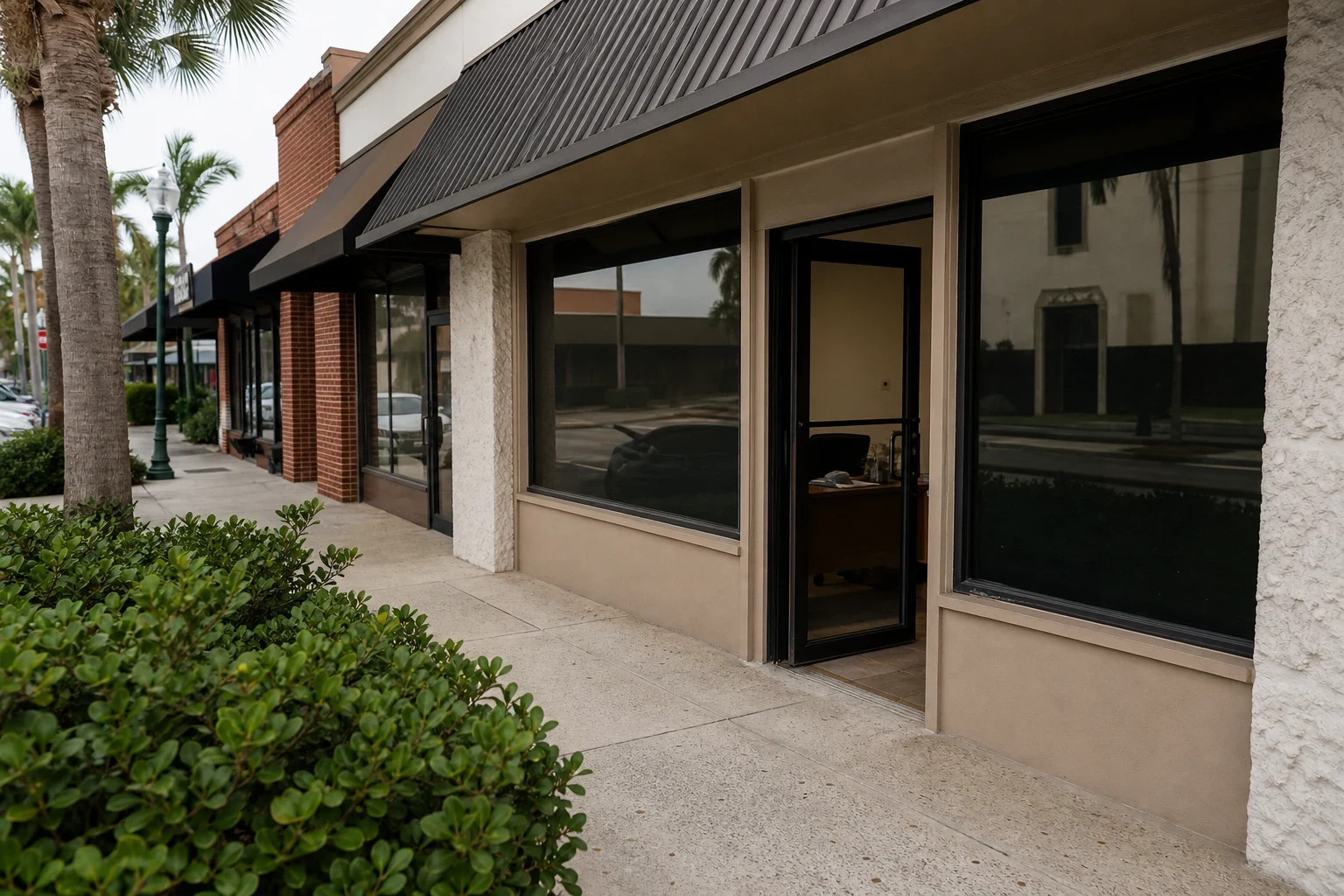
Towns we cover from Palm Beach Gardens
We are based in Palm Beach Gardens. Clients bring us rental properties in Jupiter, Tequesta, Juno Beach, North Palm Beach and Lake Park, and further south in West Palm Beach, Riviera Beach and Mangonia Park. Out west, we also take on properties in The Acreage and Jupiter Farms. Because the paperwork travels between the owner, the Florida Housing Finance Corporation and the county property appraiser, a site visit is rarely needed. A current rent roll, the unit mix and lease data are usually enough to get started.
Every one of these towns sits in Palm Beach County. That means the same property appraiser receives the exemption application, and the same county income limits apply everywhere. What changes from town to town is the millage rate, the combined tax rate set by the city, the county, the school district and any special taxing districts. That rate is a large part of why two similar buildings, one inside Riviera Beach and one on unincorporated land near The Acreage, can see different savings from the same set-aside. We show you that math line by line before you commit to anything.

Towns we cover from Palm Beach Gardens
- Palm Beach Gardens
- Jupiter
- West Palm Beach
- The Acreage
- Riviera Beach
- North Palm Beach
- Jupiter Farms
- Lake Park
- Tequesta
- Juno Beach
- Mangonia Park
Not on the list? Call (561) 529-9740 and ask.
What applies across the county
One appraiser, one March 1 deadline
The exemption is claimed on Form DR-504AFH, filed with the Palm Beach County Property Appraiser together with the certification letter from the Florida Housing Finance Corporation. Both are generally due by March 1 for the tax year. Miss that date and the exemption usually waits a full year, so we begin the FHFC certification filing early enough to leave time for follow-up questions.
Income caps set by the county
Whether a set-aside unit counts depends on how its rent and its resident's earnings compare with the county's median income figure, usually shortened to AMI. Reserve a unit for people earning no more than 80 percent of that figure and it may be fully exempt. Reserve it for earnings between 80 and 120 percent and the reduction is usually partial. The county publishes new figures every year, so a rent that passed last spring still has to be measured against the updated table. Running that comparison is the heart of annual recertification.
Building types we see
Most of what we review here is garden-style and mid-rise apartment communities, plus newer mixed-use buildings along the main commercial corridors. Older complexes often already rent below market, which can make the set-aside easier to meet than owners expect. Newer buildings need a closer look at the rent cap, because qualifying rent must also sit below market rent for comparable units.
Resident files and proof
The exemption rests on documentation, not intent. Each qualifying unit needs resident income verification on file and a lease rent at or under the limit. We set up that file structure once, so ongoing compliance support means updating records rather than rebuilding them every winter.

See the savings before you decide
Share the property address, how many units it has and what each one rents for today. We will walk through whether the building fits the program and how the savings figure is built, in plain terms and without charge.